Finding Your Musical Voice: A Journey of Self-Discovery
How embracing vulnerability and authenticity in music performance leads to deeper artistic expression and personal growth for musicians at every level.

Dr. Sarah Montgomery
May 10, 2026
Beyond the Notes
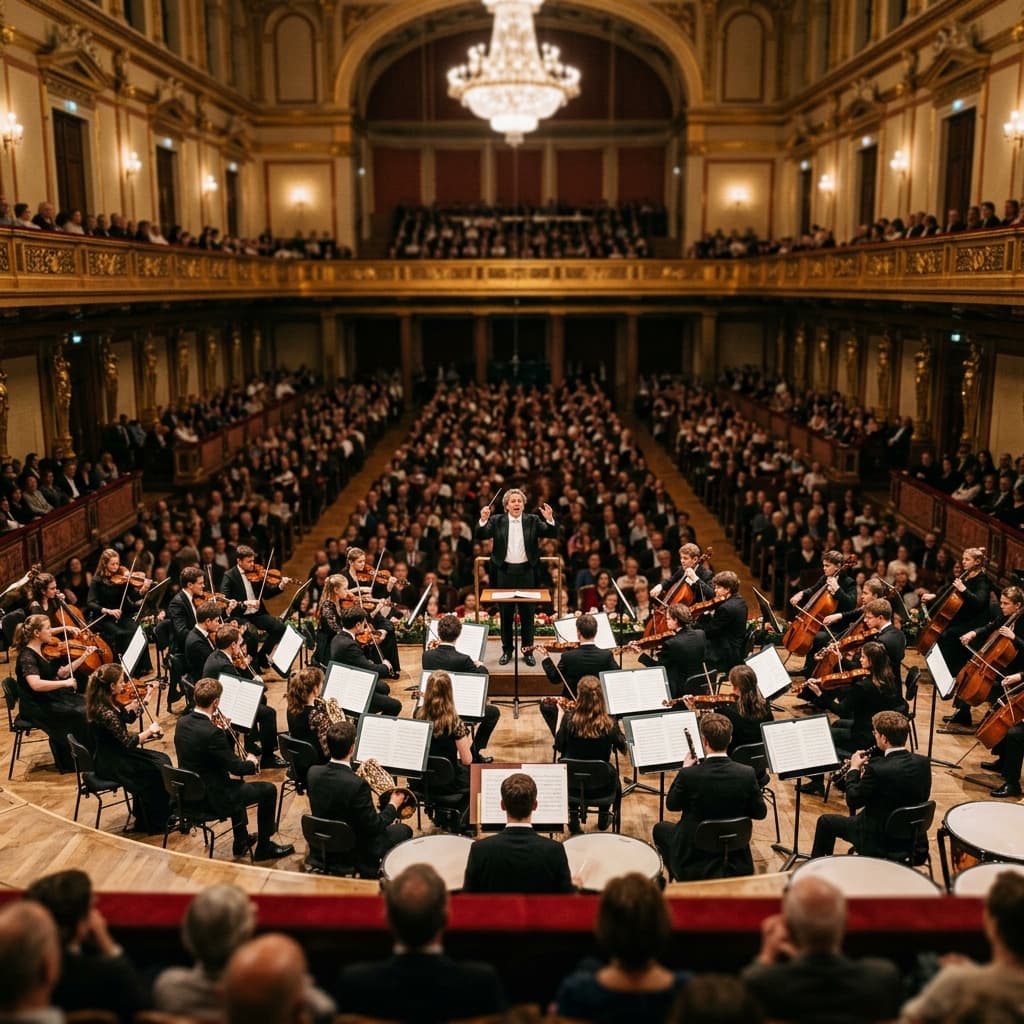
Every musician reaches a point where technical proficiency is no longer enough. The notes are accurate, the rhythms precise, the dynamics carefully observed — yet something essential is missing. This is the moment when the real musical journey begins: the search for your unique musical voice.
What Is a Musical Voice?
Your musical voice is the distinctive quality that makes your playing uniquely yours. It's the sum of your experiences, emotions, cultural background, and artistic sensibility expressed through your instrument. No two musicians interpret the same piece identically, and that's not just acceptable — it's beautiful.
The Role of Vulnerability
Finding your musical voice requires vulnerability. It means:
Many students at Harmonic initially resist this process. They've spent years learning to play "correctly" — and now we're asking them to go further. But the transformation that occurs when a student begins to play with genuine personal expression is nothing short of remarkable.
Practical Steps
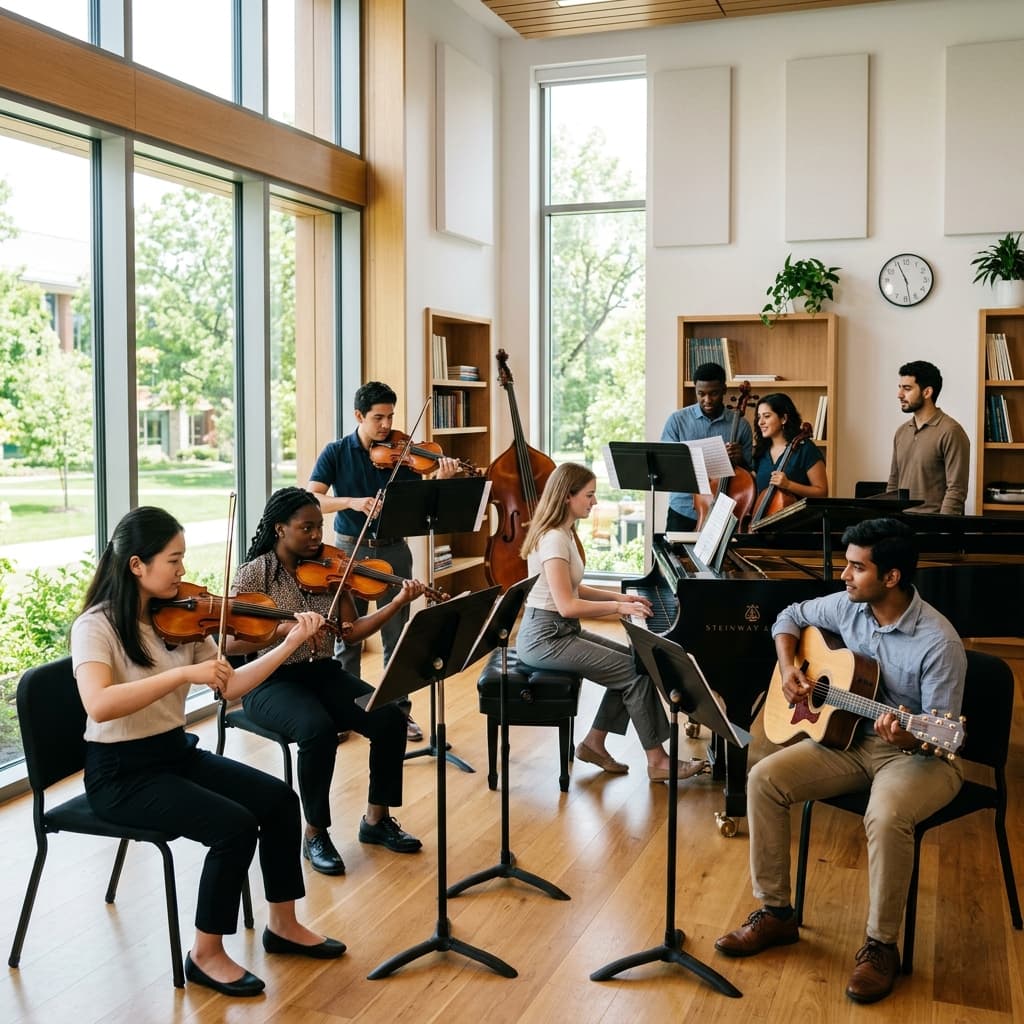
Here are some approaches we use at Harmonic to help students develop their musical voice:
Listen Widely
Expose yourself to diverse genres and styles. Listen to jazz, world music, electronic music, folk traditions — not just your primary genre. Each listening experience enriches your musical vocabulary.
Record Yourself
Recording is a powerful tool for self-discovery. Listen back with curiosity rather than criticism. What do you notice about your phrasing? Where does your playing feel most alive?
Improvise
Even classical musicians benefit from improvisation. Start simple: take a familiar melody and vary it. Change the rhythm, add ornaments, shift the mood. Improvisation teaches you to trust your musical instincts.
Study Great Interpreters
Compare different recordings of the same piece. Notice how each artist brings their unique perspective. What choices do they make? What can you learn from their approach?
"The music is not in the notes, but in the silence between." — Wolfgang Amadeus Mozart
A Lifelong Journey
Finding your musical voice isn't a destination — it's a continuous journey of growth and discovery. As you evolve as a person, your musical voice will evolve too. Embrace this process with patience and curiosity, and you'll find that music becomes not just something you do, but a profound expression of who you are.
Join us at Harmonic, where we nurture not just musicians, but artists with something unique to say.
About the Author
Dr. Sarah Montgomery
A passionate music educator and writer at Harmonic Learning Studio, dedicated to sharing insights and inspiring the next generation of musicians. With years of experience in music education, they bring both expertise and warmth to every article.