The Benefits of Music Education for Children
Discover how learning a musical instrument enhances cognitive development, emotional intelligence, and academic performance in children of all ages.
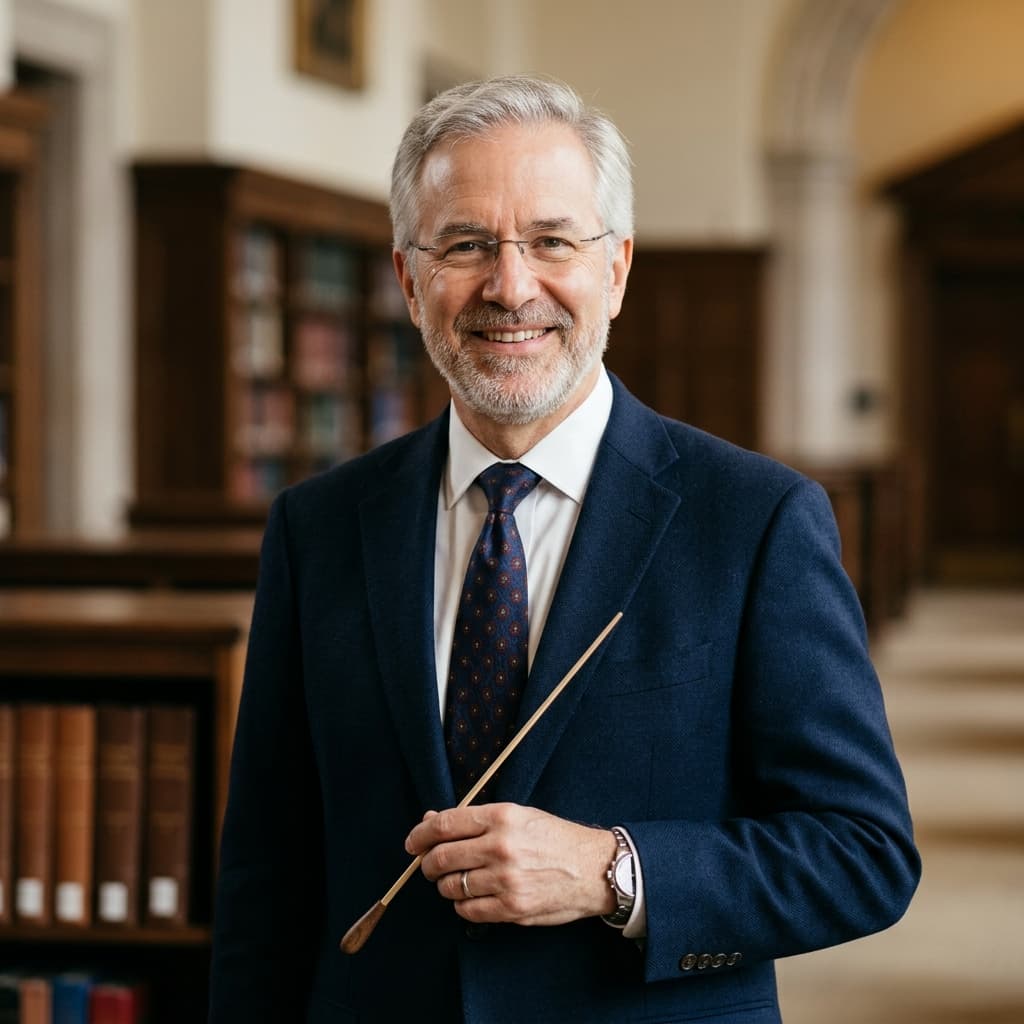
Dr. Alexander Hartley
May 20, 2026
Why Music Education Matters
Music education is far more than learning to play notes on an instrument. It's a comprehensive developmental experience that touches every aspect of a child's growth — cognitive, emotional, social, and even physical.
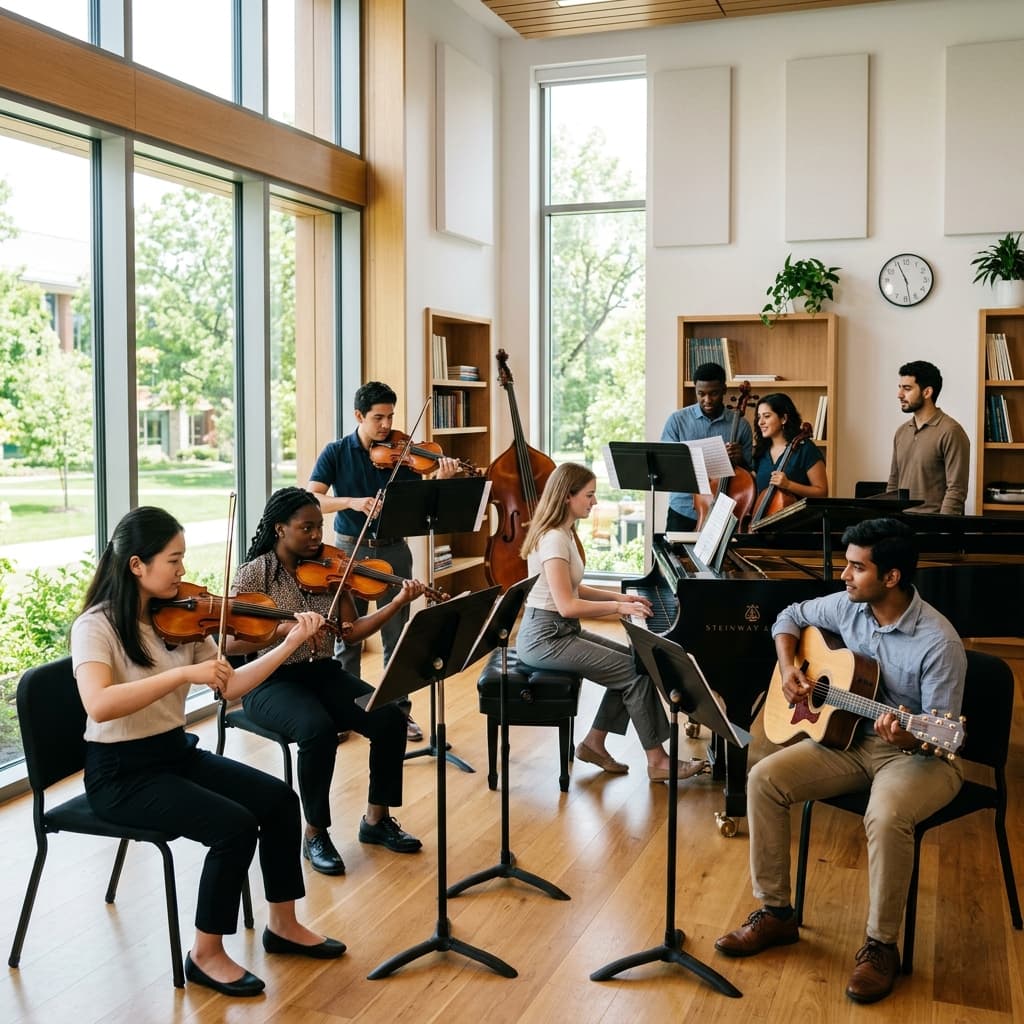
At Harmonic Learning Studio, we've witnessed firsthand how music transforms young minds. Over our years of teaching, we've seen shy children blossom into confident performers, struggling students discover new pathways to academic success, and entire families come together through shared musical experiences.
Cognitive Development
Research consistently shows that children who study music demonstrate enhanced abilities in:
A landmark study by the University of Southern California found that musical experiences in childhood can accelerate brain development, particularly in the areas responsible for language processing and reading skills.
Emotional Intelligence
Music is, at its heart, an emotional language. When children learn to express themselves through music, they develop a richer emotional vocabulary. They learn to:
"Music gives a soul to the universe, wings to the mind, flight to the imagination, and life to everything." — Plato
Social Skills and Collaboration
Ensemble playing — whether in a choir, orchestra, or chamber group — teaches children invaluable social skills. They learn to listen to others, take turns, support their peers, and work toward a common goal. These collaborative experiences build friendships and a sense of belonging that extends far beyond the rehearsal room.
Getting Started
The best time to start music education is now. Whether your child is 4 or 14, there's a perfect program waiting at Harmonic. Our experienced faculty will guide them on a journey that develops not just musical skill, but character, confidence, and creativity.
Contact our admissions team to learn more about our children's programs and to schedule a trial lesson.
About the Author
Dr. Alexander Hartley
A passionate music educator and writer at Harmonic Learning Studio, dedicated to sharing insights and inspiring the next generation of musicians. With years of experience in music education, they bring both expertise and warmth to every article.